
English Breakfast Tea is one of the world’s most beloved and iconic tea blends. Strong, full-bodied and invigorating, it’s the perfect way to start the day. But where did this traditional British blend originate, and how does it compare to Irish or Scottish breakfast teas?
In this article, we explore the rich history of breakfast tea blends in the UK, what makes them so special, and why English Breakfast Tea remains so popular with tea drinkers worldwide.

English Breakfast Tea is a classic blend of robust black teas, traditionally featuring leaves from India, Sri Lanka (Ceylon), and Kenya. Known for its malty flavour, deep colour, and energising character, it pairs well with milk and sugar, making it a satisfying and easy wake-up brew for millions.
The term “Breakfast Tea” emerged in the 19th century, after the British East India Company shifted its focus from Chinese imports to tea grown on its own plantations in India and Sri Lanka. These teas were more affordable than Chinese varieties, allowing tea to evolve from a luxury item into a daily ritual across Britain.
While no single person can be credited with inventing the blend, many accounts trace its origins to Robert Drysdale, a Scottish tea merchant. In the late 1800s, he created a bold, full-bodied blend he called “Breakfast Tea,” which was later marketed in London as English Breakfast Tea.
These stronger breakfast blends were robust enough to handle milk and sugar – the preferred way to drink tea among the working class – and quickly became the perfect companion to hearty morning meals. And so, the English Breakfast blend was born: bold, brisk, and dependable.
Irish Breakfast Tea followed close behind. While similar to English Breakfast, it typically contains a higher proportion of Assam tea from India, giving it an even richer, maltier flavour. It’s darker, more intense, and often the preferred choice for those who like a stronger cup with milk.
Yorkshire Tea, especially Yorkshire Gold tea is one of Britain’s most popular and best-loved breakfast teas. This famous Yorkshire Gold blend is a CTC tea, produced using the “crush, tear, curl” method, which turns the leaves into tiny pellets that brew quickly and create a bold, full-bodied cup. Most often enjoyed in teabags, Yorkshire Gold is designed for everyday tea drinkers who want a reliable, high-quality brew. As a blend of teas from Assam, Kenya and Rwanda, it represents the finest quality within this style of British breakfast tea, offering a rich, malty flavour that goes especially well with milk. When Taylors of Harrogate developed Yorkshire Gold tea, they carefully considered Britain’s varied water quality, ensuring the tea tastes consistently smooth whether brewed in hard or soft water. This attention to detail has helped make Yorkshire Gold a household name in the UK and a favourite worldwide for tea lovers who enjoy their breakfast tea strong, smooth, and full of flavour.

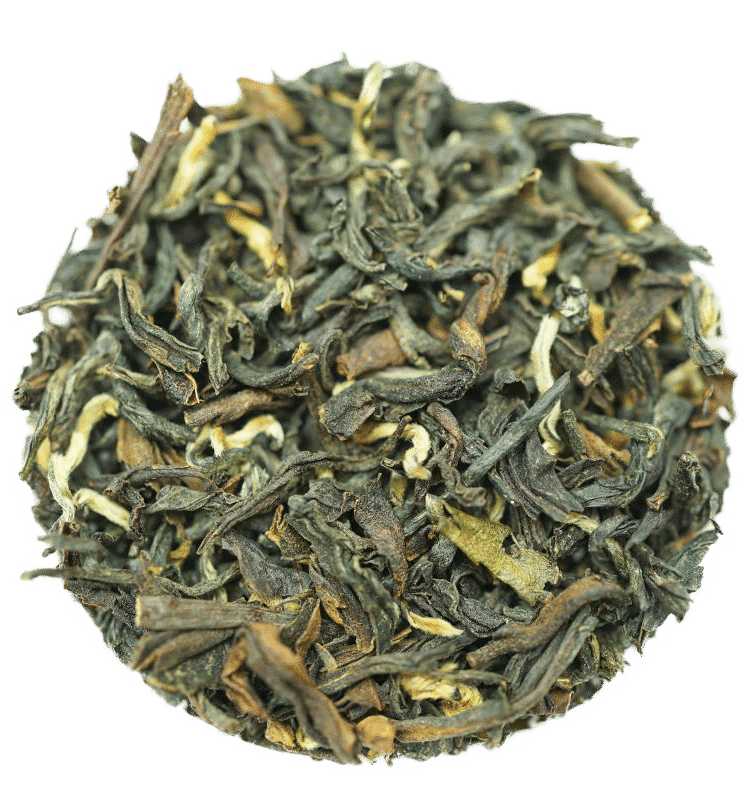
Interestingly, Scottish Breakfast Tea is not a traditional blend in the same historical sense. There’s no defined formula or long-standing heritage, but some tea brands have created versions to meet demand. These blends are typically stronger than Irish Breakfast, designed to hold up against Scotland’s soft water and colder climate.
So while Scottish Breakfast Tea may not be a historic tea blend, it reflects the desire for a for a robust, high-caffeine tea that fits the breakfast tea family.
English Breakfast Tea is a well-balanced, versatile, and consistent tea. Here’s why it remains so popular:
| Cookie | Duration | Description |
|---|---|---|
| __stripe_mid | 1 year | This cookie is used by our payment provider Stripe to process payments. |
| __stripe_sid | 30 minutes | This cookie is used by our payment provider Stripe to process payments. |
| cookielawinfo-checkbox-analytics | 1 year | The cookies is used to store the user consent for the cookies in the category “Analytics”. |
| cookielawinfo-checkbox-necessary | 1 year | The cookies is used to store the user consent for the cookies in the category “Necessary“. |
| CookieLawInfoConsent | 1 year | This cookie is used to record the default button state of the corresponding category. |
| viewed_cookie_policy | 1 year | The cookie is used to store whether or not user has consented to the use of cookies. |
| woocommerce_cart_hash | session | This cookies is used to determine when cart contents/data changes. |
| woocommerce_items_in_cart | session | This cookie is used to determine when cart contents/data changes. |
| wp_woocommerce_session_* | 2 days | This cookie is used to find the cart data in the database for each customer. |
| Cookie | Duration | Description |
|---|---|---|
| _ga | 2 years | This cookie is used by Google Analytics to calculate visitor, session and campaign data for the sites analytics reports. |
| _ga_* | 2 years | This cookie is used by Google Analytics to calculate visitor, session and campaign data for the sites analytics reports. |

Call us during opening hours on + 49 (0) 711 518 74 006 or email us using the form below. We will get back to you as soon as we can.