

Delicious warm or cold, the flavour profile of this fresh, young tea is slightly sweet and grassy, complemented by lingering hints of stone fruit: A real treat for both newcomers to Japanese green tea and experienced tea drinkers.
Shizuoka Fukamushi Shincha Yabukita
Shincha, or “new tea”, refers to the first harvest of the tea season, typically in late April to early May. Unlike other green teas harvested later in the year, Shincha is made from the youngest, most tender leaves, which are full of nutrients accumulated during the winter. These young leaves produce a tea that is exceptionally fresh, aromatic and vibrant.
Shincha vs. Sencha
Sencha is the most common type of Japanese green tea and is harvested several times during the growing season. While both Shincha and Sencha are made from the same tea plants, the main differences are in the timing and processing:
The Yabukita cultivar
Yabukita is the most widely grown tea variety in Japan, prized for its excellent balance of sweetness, astringency and aroma. Originating from the Shizuoka region, Yabukita accounts for approximately 75%-80% of Japan’s tea production. It is favoured by tea connoisseurs and farmers alike for its hardiness, high yield, high umami content and exquisite flavour.
What is Fukamushi tea?
Fukamushi, or “deep steamed” tea, undergoes a longer steaming process than standard Sencha. This extended steaming, typically around 60-120 seconds, breaks down the leaf structure more thoroughly, resulting in a finer leaf texture. The process enhances the flavour profile of the tea, creating a rich, full-bodied flavour with a vibrant green liquor. Fukamushi teas are prized for their smooth, mellow flavour and vibrant colour, offering a unique sensory experience that sets them apart from other green teas.
Shizuoka Fukamushi Shincha Yabukita was harvested in the very early days of May, during the first days of the season’s first flush. The leaves are a dark, matt-green, which is an indicator of its high quality. When brewed, the tea produces a bright green liquor that is both visually stunning and rich in flavour. Due to the longer steaming time, the leaves are more crumbly than more lightly steamed teas, and some of the crumbly tea leaves end up in the cup, which means you get more benefit from the tea. The flavour is slightly sweet with grassy notes, complemented by lingering hints of stone fruit.
Green tea
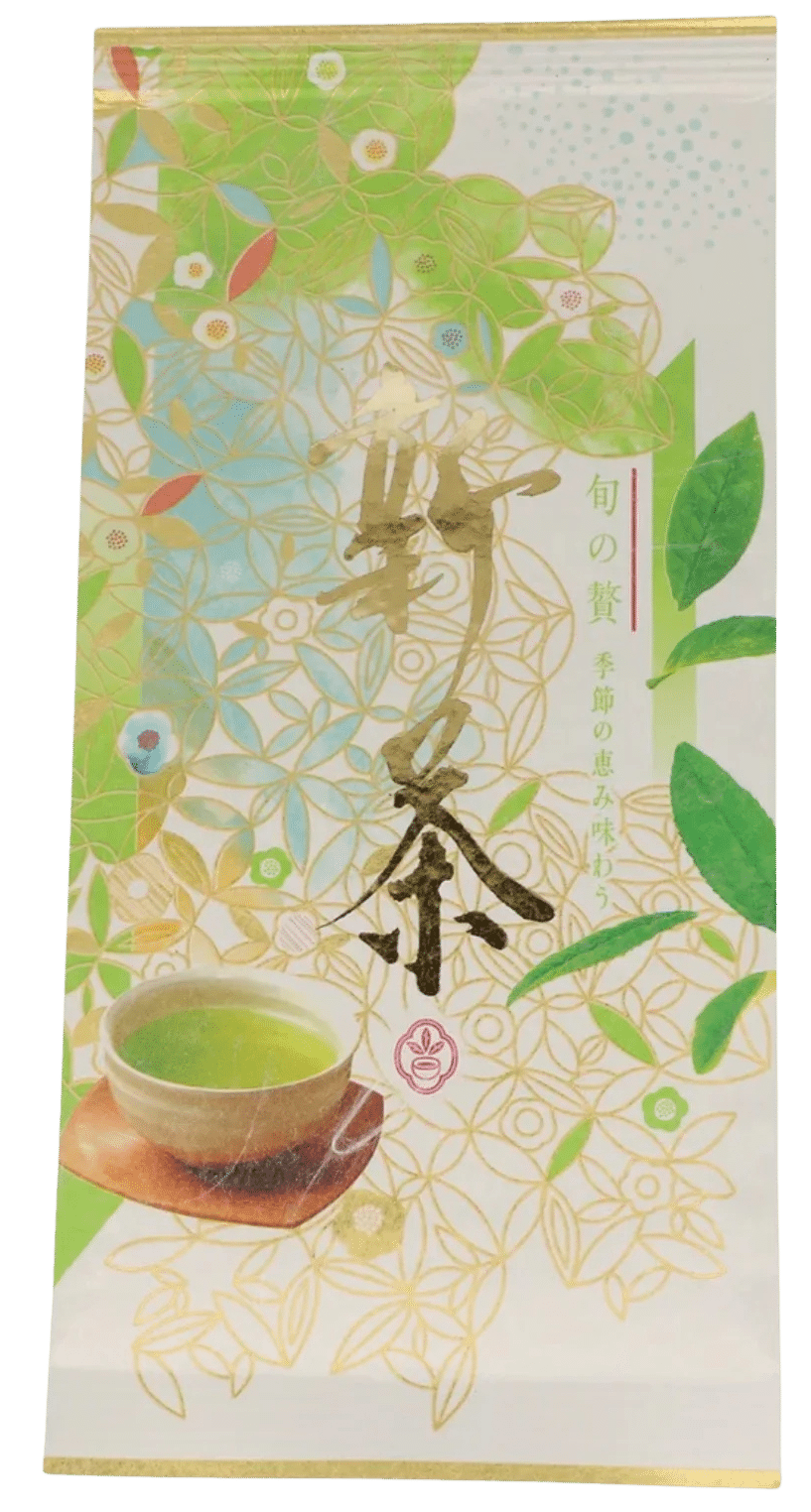
hover to zoom, click on magnifier for full view
| Cookie | Duration | Description |
|---|---|---|
| __stripe_mid | 1 year | This cookie is used by our payment provider Stripe to process payments. |
| __stripe_sid | 30 minutes | This cookie is used by our payment provider Stripe to process payments. |
| cookielawinfo-checkbox-analytics | 1 year | The cookies is used to store the user consent for the cookies in the category “Analytics”. |
| cookielawinfo-checkbox-necessary | 1 year | The cookies is used to store the user consent for the cookies in the category “Necessary“. |
| CookieLawInfoConsent | 1 year | This cookie is used to record the default button state of the corresponding category. |
| viewed_cookie_policy | 1 year | The cookie is used to store whether or not user has consented to the use of cookies. |
| woocommerce_cart_hash | session | This cookies is used to determine when cart contents/data changes. |
| woocommerce_items_in_cart | session | This cookie is used to determine when cart contents/data changes. |
| wp_woocommerce_session_* | 2 days | This cookie is used to find the cart data in the database for each customer. |
| Cookie | Duration | Description |
|---|---|---|
| _ga | 2 years | This cookie is used by Google Analytics to calculate visitor, session and campaign data for the sites analytics reports. |
| _ga_* | 2 years | This cookie is used by Google Analytics to calculate visitor, session and campaign data for the sites analytics reports. |

Call us during opening hours on + 49 (0) 711 518 74 006 or email us using the form below. We will get back to you as soon as we can.