
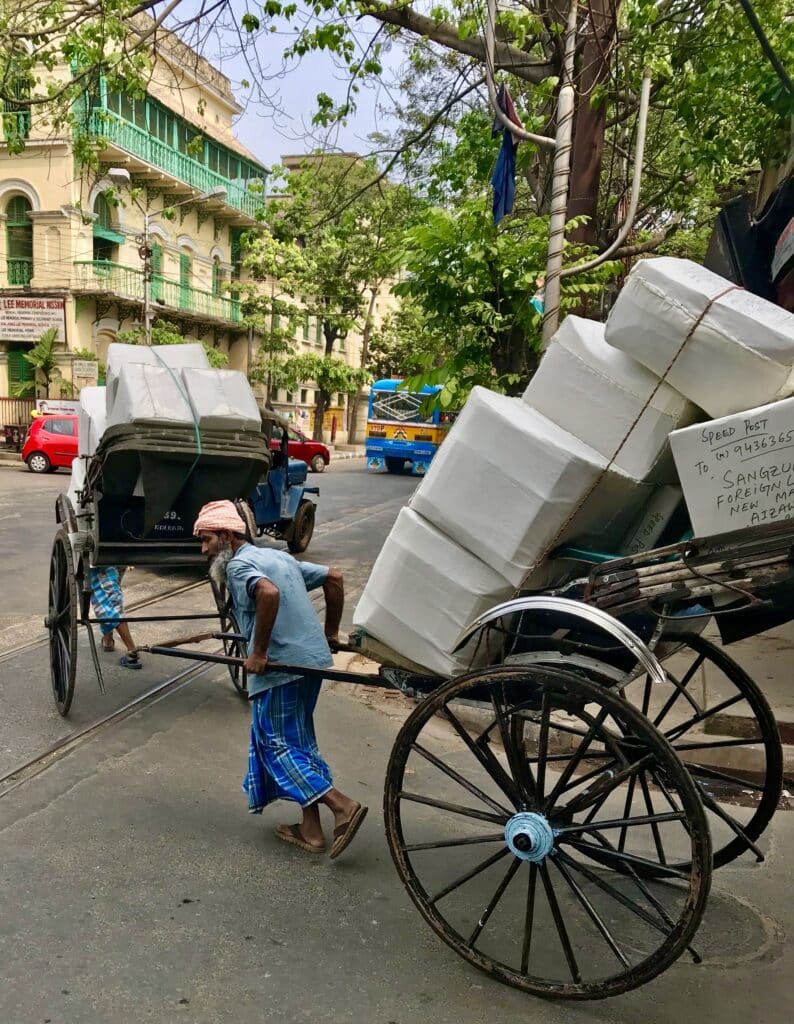
There is a historical connection between Kolkata, opium and tea. And there is a historical connection between Kolkata and my family. It is a city that I love. I go there mainly for the tea, but for me visiting the city has always been about more than that: my father grew up there, and after I first visited, the things he told me about his life there became more concrete and less abstract. I was able to add colour, smell and context to the stories he told me as a child, and this led to a personal fascination and deep love for the city.

One story he told me was about his family’s cook: this cook was a sort of Jekyll and Hyde. Sometimes when he cooked you thought you had died and gone to heaven, just to smell the aromas coming from his kitchen. Dinnertime was a joy, the delicious food warmed the soul and put smiles on the faces of the whole family. The cook was happy to hear the family’s kind words and praise for his wonderful cooking, and he sang softly to himself as he cleared the kitchen, satisfied with a job well done.
Then there were the days when shouting and swearing could be heard from the kitchen. Pots and pans would battle it out on the busy stove as their foul-smelling contents spilled over their sides. The house would fill with a truly unpleasant smell and anyone with an appetite would soon lose it. On those days, my father would suddenly decide to eat at his club, and other members of the family would feign stomach pains to avoid the impending meal.
The reason for these fluctuations in culinary competence was simple: the British had not only poisoned the Chinese with their opium trade, they had also left a legacy of opium addiction in India. When the cook had opium, he could create a meal fit for a king, but without it, his inner demons would recreate the turmoil within him in a pan and serve it on a plate. Sadly, drug addiction continues to plague India, and is especially prevalent amongst the poor.
A very British way of saying that you wouldn’t do something at any price is that you wouldn’t do it for all the tea in China. This saying dates back to the late 19th century, in the period between when the British appetite for tea was awakened and before the British tea industry was established. Britain was thirsty for tea and the only place they could get it at the time was China. The Chinese, realising they had a monopoly, took advantage of the situation by raising the price of tea and refusing to trade in any goods. Such was the demand in Britain for this exotic new elixir that the Chinese insistence on paying for tea only in silver nearly bankrupted the British treasury. This inability to buy tea created a serious problem for the British.
To solve this problem, the British decided to grow opium north of Kolkata in the Indian state of Bihar. This was then distributed to third parties to be sold in China and paid for in silver. This silver was then used to pay the Chinese for tea destined for Britain.
Opium is a highly addictive substance and its use spread like a terrible plague throughout China. The Chinese noticed a drop in production due to large swathes of the population being addicted to the substance, and the Emperor asked the British to stop trading: they refused, claiming it was free trade. These events led to two wars (“the opium wars“), both of which the Chinese lost due to Britain’s superior naval warfare and weaponry of the time. As a result, the Chinese were forced to sign a treaty that gave foreign powers greater access to the Chinese domestic market and opened them up to trade with the rest of the world.
While all this was going on, the British were simultaneously hatching a plan to become self-sufficient in tea by creating their own tea industry. The only fly in the ointment was that they had absolutely no idea how tea was grown or produced. The Royal Botanical Society in Kew, London, sent a young Scottish botanist called Robert Fortune to China, disguised as a Chinese, to spy on the tea growers and producers and return with their closely guarded secret. He was successful, as far as the British were concerned, and returned from his second trip (he nearly died of fever on the first) to Kolkata with several thousand small tea plants, several hundred Chinese tea workers and the secret of how tea was made. The Botanical Society in Kolkata sent the small tea plants to the four corners of the British Empire to see under what conditions the plants would grow best.
Archibald Campbell was working for the East India Company at a hill station in Darjeeling when he was given a few small tea plants, which he planted with great success. This was the beginning of the British tea industry and the beginning of an economic collapse in China.
While all this was going on, to the tropical west of Kolkata, another discovery had been made: a soldier and arms dealer called Robert Bruce had spotted the natives of the Assam district drinking a tea-like beverage. Bruce noticed that the leaves used to make the drink were similar to those of the Chinese tea plant Camellia Sinensis var Sinensis. Robert died before any significant production could take place, but his brother Charles continued the work he had started and in 1837 forty-six crates of Assam tea were sent to London.
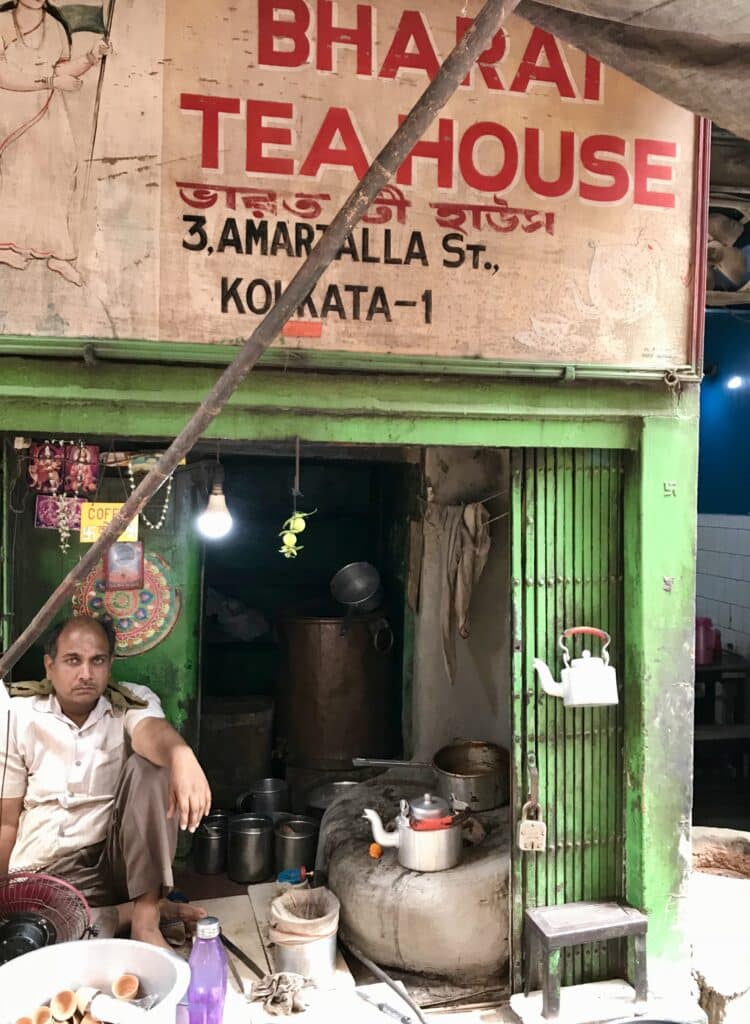
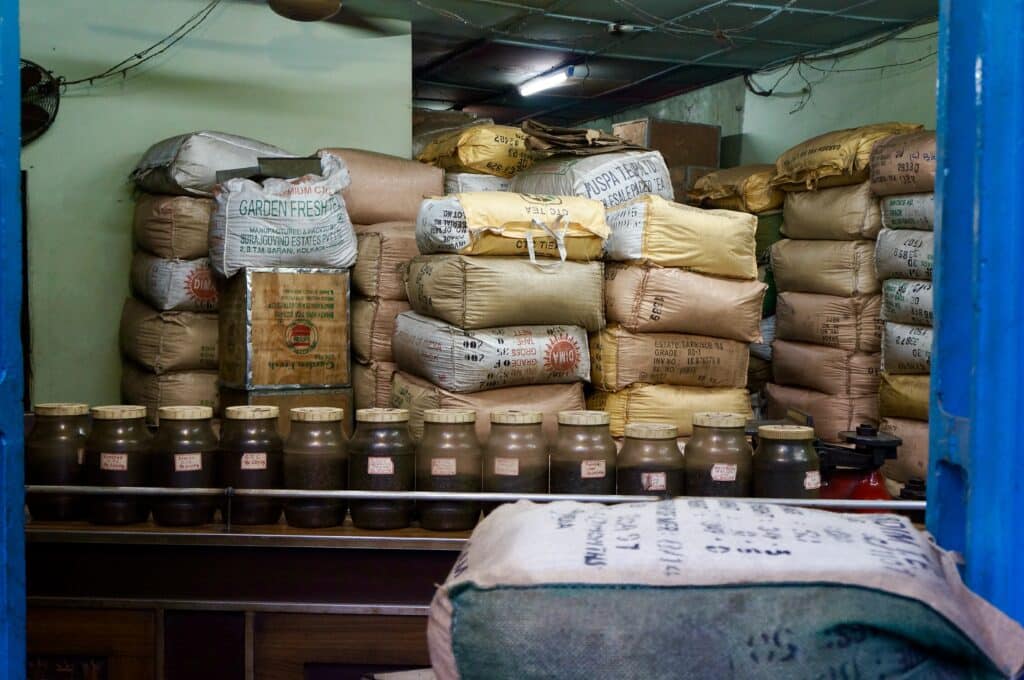
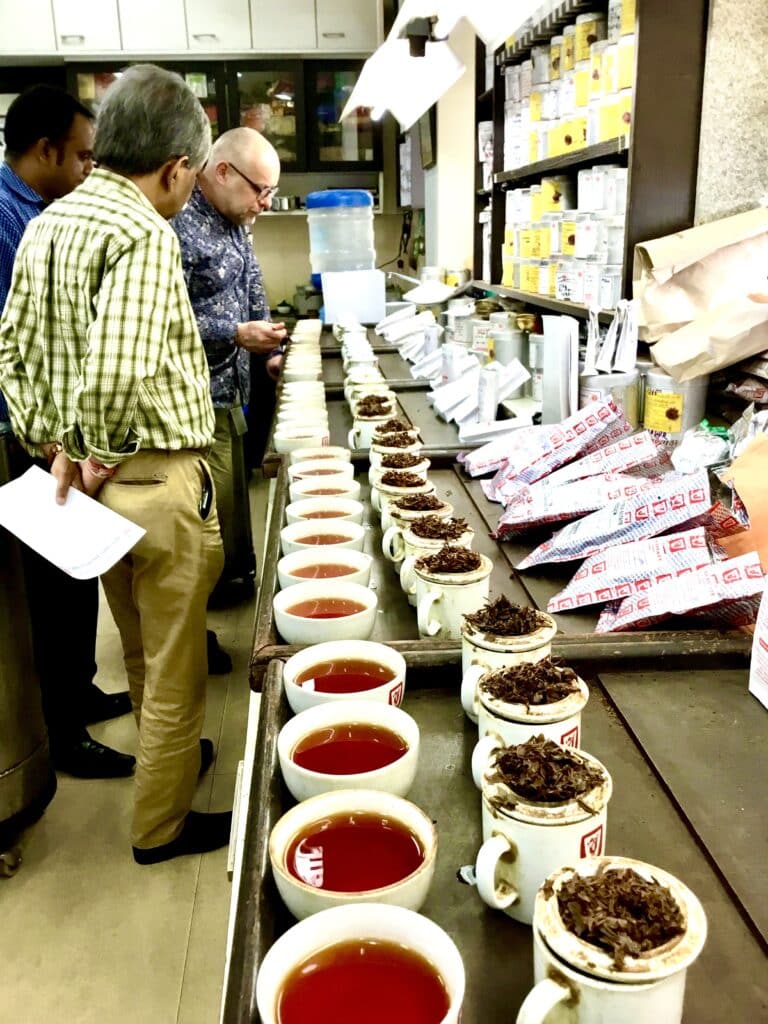
Most Darjeeling and Assam teas are sent to Kolkata for appraisal and auction. Kolkata is the holy grail for the Indian tea trade: all the major brokers and producers of Indian tea have a presence in Kolkata, as does the main auction house. Tea shops line the streets around the auction house, selling mostly CTC tea in various grades for the domestic market, and competition is fierce as people vie for their favourite teas.
| Cookie | Duration | Description |
|---|---|---|
| __stripe_mid | 1 year | This cookie is used by our payment provider Stripe to process payments. |
| __stripe_sid | 30 minutes | This cookie is used by our payment provider Stripe to process payments. |
| cookielawinfo-checkbox-analytics | 1 year | The cookies is used to store the user consent for the cookies in the category “Analytics”. |
| cookielawinfo-checkbox-necessary | 1 year | The cookies is used to store the user consent for the cookies in the category “Necessary“. |
| CookieLawInfoConsent | 1 year | This cookie is used to record the default button state of the corresponding category. |
| viewed_cookie_policy | 1 year | The cookie is used to store whether or not user has consented to the use of cookies. |
| woocommerce_cart_hash | session | This cookies is used to determine when cart contents/data changes. |
| woocommerce_items_in_cart | session | This cookie is used to determine when cart contents/data changes. |
| wp_woocommerce_session_* | 2 days | This cookie is used to find the cart data in the database for each customer. |
| Cookie | Duration | Description |
|---|---|---|
| _ga | 2 years | This cookie is used by Google Analytics to calculate visitor, session and campaign data for the sites analytics reports. |
| _ga_* | 2 years | This cookie is used by Google Analytics to calculate visitor, session and campaign data for the sites analytics reports. |

Call us during opening hours on + 49 (0) 711 518 74 006 or email us using the form below. We will get back to you as soon as we can.