
When we think of Japanese tea, we usually picture vibrant green matcha, grassy sencha, or the roasted flavour of hojicha and genmaicha. But there’s another side to Japan’s tea culture that’s well worth exploring: Japanese black tea, or Koucha.
While “koucha” literally translates to “red tea” in Japanese, based on the reddish hue of the brewed tea, it is in fact what we in the West call black tea. Unlike the robust, malty teas of Assam or the brisk fruity teas of Sri Lanka, Japanese black teas are known for their delicacy, floral notes, and refined sweetness. They are often made from cultivars traditionally used for green tea, which gives them a completely different flavour profile from black teas grown elsewhere.

The uniqueness of koucha lies in its terroir, processing methods, and cultivars. Many Japanese black teas are made in small batches by producers who usually specialise in green tea. Instead of relying on traditional black tea bushes like Assamica, they often use cultivars such as unique Japanese cultivars such as Benifuuki or Yabukita, which lend lighter, fruitier, and more aromatic notes to the cup.
The result? A style of black tea that’s soft on the palate, naturally sweet, and often surprisingly floral. These teas are perfect for those who enjoy a gentler black tea experience, with absolutely no milk or sweetener needed.
One beautiful example of this fresh, fruity style is Kawanabe Koucha, a rare organic Japanese black tea made by Keiko in the Kawanabe (Chiran) region of Kagoshima, in southern Japan. Made purely from the Benifuuki cultivar, this delicate tea has notes of vineyard peach, jasmine blossom, and a soft, reddish-brown liquor.
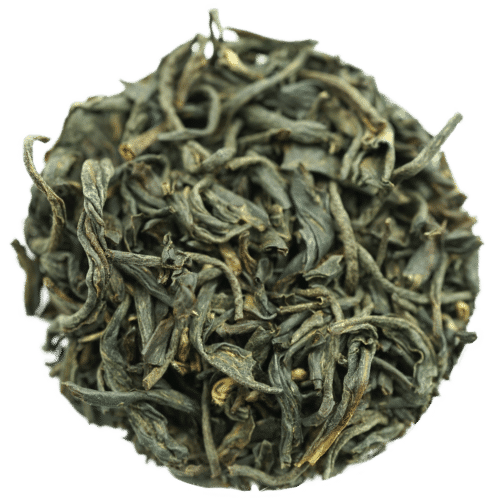
Because Benifuuki is usually processed into green tea, its use in Koucha is different, and very special. The tea is sweet, smooth, and light, with a quiet complexity that unfolds with each sip. Kawanabe Koucha is just a lovely way to explore the softer side of black tea.
| Cookie | Duration | Description |
|---|---|---|
| __stripe_mid | 1 year | This cookie is used by our payment provider Stripe to process payments. |
| __stripe_sid | 30 minutes | This cookie is used by our payment provider Stripe to process payments. |
| cookielawinfo-checkbox-analytics | 1 year | The cookies is used to store the user consent for the cookies in the category “Analytics”. |
| cookielawinfo-checkbox-necessary | 1 year | The cookies is used to store the user consent for the cookies in the category “Necessary“. |
| CookieLawInfoConsent | 1 year | This cookie is used to record the default button state of the corresponding category. |
| viewed_cookie_policy | 1 year | The cookie is used to store whether or not user has consented to the use of cookies. |
| woocommerce_cart_hash | session | This cookies is used to determine when cart contents/data changes. |
| woocommerce_items_in_cart | session | This cookie is used to determine when cart contents/data changes. |
| wp_woocommerce_session_* | 2 days | This cookie is used to find the cart data in the database for each customer. |
| Cookie | Duration | Description |
|---|---|---|
| _ga | 2 years | This cookie is used by Google Analytics to calculate visitor, session and campaign data for the sites analytics reports. |
| _ga_* | 2 years | This cookie is used by Google Analytics to calculate visitor, session and campaign data for the sites analytics reports. |

Call us during opening hours on + 49 (0) 711 518 74 006 or email us using the form below. We will get back to you as soon as we can.