
The smoky black tea “Lapsang Souchong” is one of the most distinctive and intriguing black teas in the world. Known for its bold aroma and robust flavour, it has developed a loyal following among tea lovers who appreciate its depth and character. But not all Lapsang Souchong is the same. From its origins in the misty Wuyi Mountains to the modern-day variations in production, this is a tea with a fascinating story and options to suit every taste and budget.
Lapsang Souchong was first produced in the Wuyi region in Fujian Province, China; a mountainous area revered for its centuries-old tea-making traditions. The name Souchong refers to the larger, mature leaves of the tea plant, which are used to craft this unique black tea.
Legend has it that the tea’s smoky flavour was discovered by chance during the Qing Dynasty, when tea producers needed to dry the leaves quickly over pinewood fires to avoid spoilage. The unexpected smoky aroma was a hit with Dutch and British traders and a new type of black tea was born.

There are two types of Lapsang Souchong: a modern “everyday” version and a traditionally handcrafted, premium-grade tea.
Premium Lapsang Souchong (Zheng Shan Xiao Zhong), is produced in the traditional way by skilled artisans in the Wuyi Mountains. After picking, withering, gentle rolling and oxidising the tea is gently smoked over pinewood fires, resulting in a complex, balanced tea where the smokiness enhances, rather than overpowers, the natural sweetness and richness of the leaf.
Such teas have subtle layers of pine, dried fruit, spice, and a long, smooth finish. Some exceptional batches are even unsmoked, relying solely on the quality of the leaf and the unique terroir of the region to shine through.
Due to increasing demand, the tea used to make modern Lapsang Souchong now often comes from different provinces in China.
However, as sustainable production practices are crucial to maintaining a balance between tradition, quality and environmental responsibility, the tea is now smoked in bamboo baskets over fires of pine wood mixed with charcoal briquettes for around five hours. This method imparts the distinctive smoky flavour that tea lovers crave, but with a slightly milder taste than in the past.
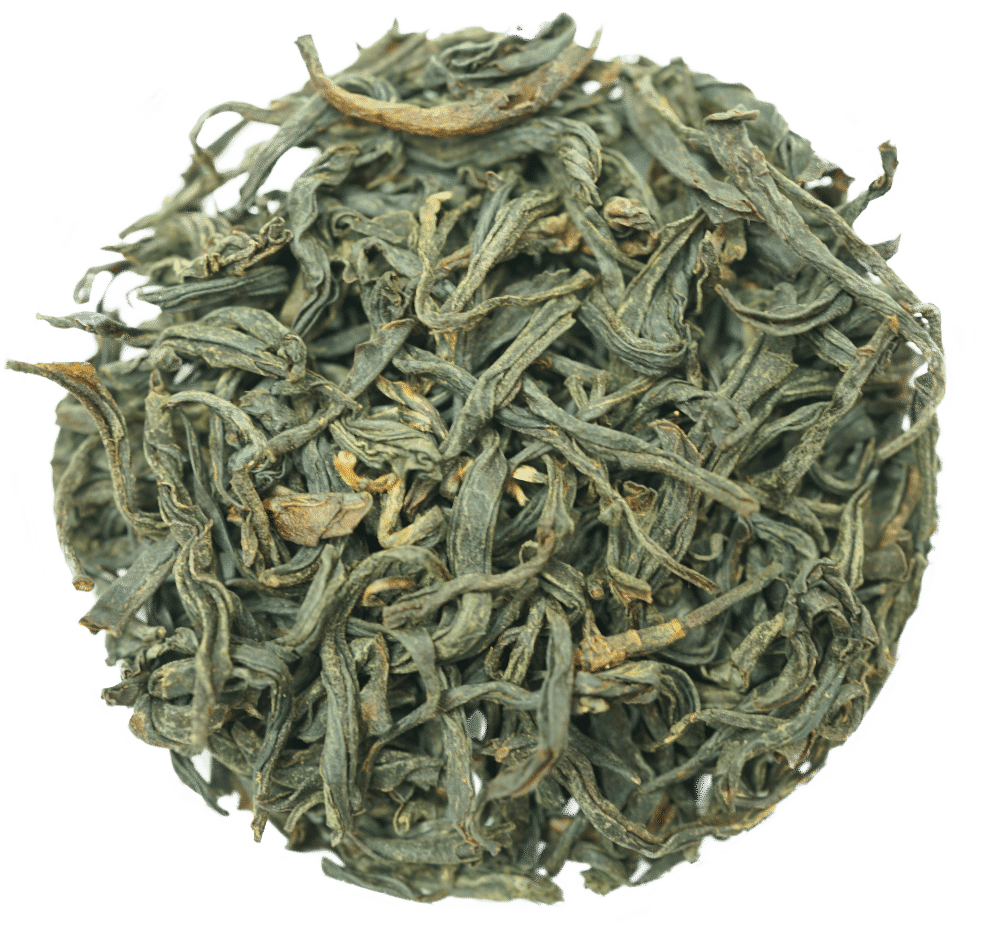
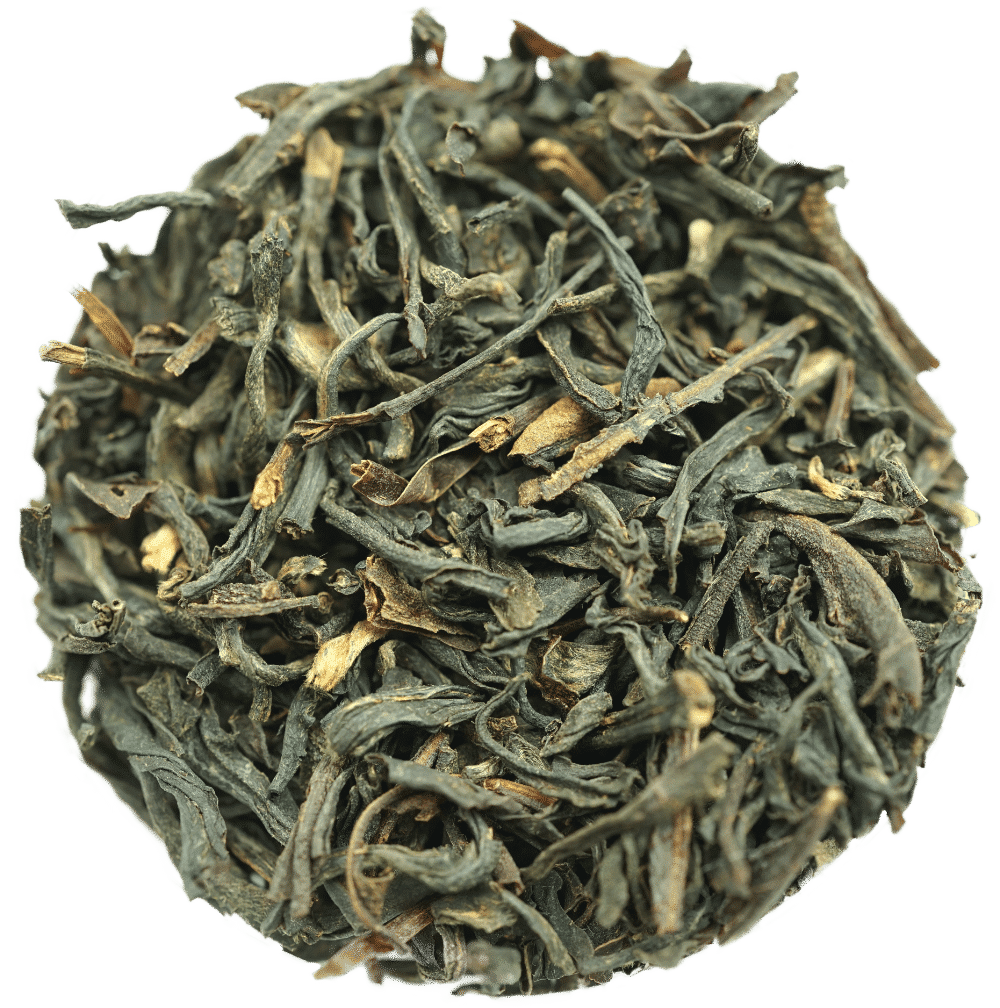
The modern Lapsang Souchong is an excellent introduction to this unique tea. It has an unmistakable smoky aroma in a bold, straightforward brew that’s perfect for adding variety to your daily tea ritual. Its strong character also makes it ideal for blending (adding a touch of Lapsang to Citrus Earl Grey tea with give you a wonderful smoky Earl Grey), pairing with savoury foods, or even using in culinary applications such as broths and marinades.
This version is made using standardised techniques that ensure consistency, and it offers excellent value for those who enjoy a full-bodied, smoky cup without the higher price tag of handmade teas.
Concerns about the potential carcinogenic effects of smoked tea have also been a factor in the development of lighter versions of Lapsang Souchong. Substances such as 2-phenylphenol, anthraquinone and biphenyl can be released during the smoking process. EU Regulation 396/2005 was introduced to ensure that tea importers take steps to ensure that their Lapsang Souchong meets maximum safety levels. This control mechanism, combined with the additional checks carried out by the organic inspection authorities, ensures that you can enjoy your Lapsang Souchong smoked tea with peace of mind.
| Cookie | Duration | Description |
|---|---|---|
| __stripe_mid | 1 year | This cookie is used by our payment provider Stripe to process payments. |
| __stripe_sid | 30 minutes | This cookie is used by our payment provider Stripe to process payments. |
| cookielawinfo-checkbox-analytics | 1 year | The cookies is used to store the user consent for the cookies in the category “Analytics”. |
| cookielawinfo-checkbox-necessary | 1 year | The cookies is used to store the user consent for the cookies in the category “Necessary“. |
| CookieLawInfoConsent | 1 year | This cookie is used to record the default button state of the corresponding category. |
| viewed_cookie_policy | 1 year | The cookie is used to store whether or not user has consented to the use of cookies. |
| woocommerce_cart_hash | session | This cookies is used to determine when cart contents/data changes. |
| woocommerce_items_in_cart | session | This cookie is used to determine when cart contents/data changes. |
| wp_woocommerce_session_* | 2 days | This cookie is used to find the cart data in the database for each customer. |
| Cookie | Duration | Description |
|---|---|---|
| _ga | 2 years | This cookie is used by Google Analytics to calculate visitor, session and campaign data for the sites analytics reports. |
| _ga_* | 2 years | This cookie is used by Google Analytics to calculate visitor, session and campaign data for the sites analytics reports. |

Call us during opening hours on + 49 (0) 711 518 74 006 or email us using the form below. We will get back to you as soon as we can.