
When it comes to preparing matcha, the bamboo whisk, or chasen as it is known in Japanese, is not just a tool – it is an embodiment of tradition, artistry and mindfulness. Understanding the history and significance of the chasen contributes to a deeper appreciation of the tea ceremony itself, which is an integral part of Japanese culture.
If you are looking to buy a chasen, there are several important factors to consider to ensure you choose the right one for your needs. The number of prongs, or tines, affects the texture and frothiness of the matcha, with finer whisks producing a smoother, silkier foam. The type of bamboo used can influence durability and flexibility, while the craftsmanship plays a key role in the whisk’s longevity and effectiveness. Additionally, the shape of the whisk should suit the style of matcha you prefer, whether it be thick (koicha) or thin (usucha). By keeping these factors in mind, you can select a chasen that enhances your matcha-making experience.
The origins of chasen date back nearly 600 years to Takayama, Japan, a region renowned for its craftsmanship. Initially, tea, and in turn, the tea ceremony was the exclusive preserve of Japan’s most elite circles. However, a man named Murata Juko had a vision to share the beauty and philosophy of the tea ceremony with the masses, not just the upper echelons of society. To realise this vision, he commissioned the master craftsman Takayama Minbunojo Nyudo Sosetsu to create the first chasen.
Takayama’s bamboo whisks were marvels of craftsmanship, each one intricately designed with teeth as fine as 0.1mm. Murata Juko was so impressed by their beauty that he presented several to the emperor, who was equally astonished by their quality. Over time, these whisks became known as Takayama chasen and gained popularity throughout Japan.
Nowadays, whisks are also made in China, but handcrafted Takayama-chasen remains a symbol of traditional Japanese craftsmanship. Unfortunately, the number of Japanese artisans making these whisks has declined, making them harder to find outside of Japan.
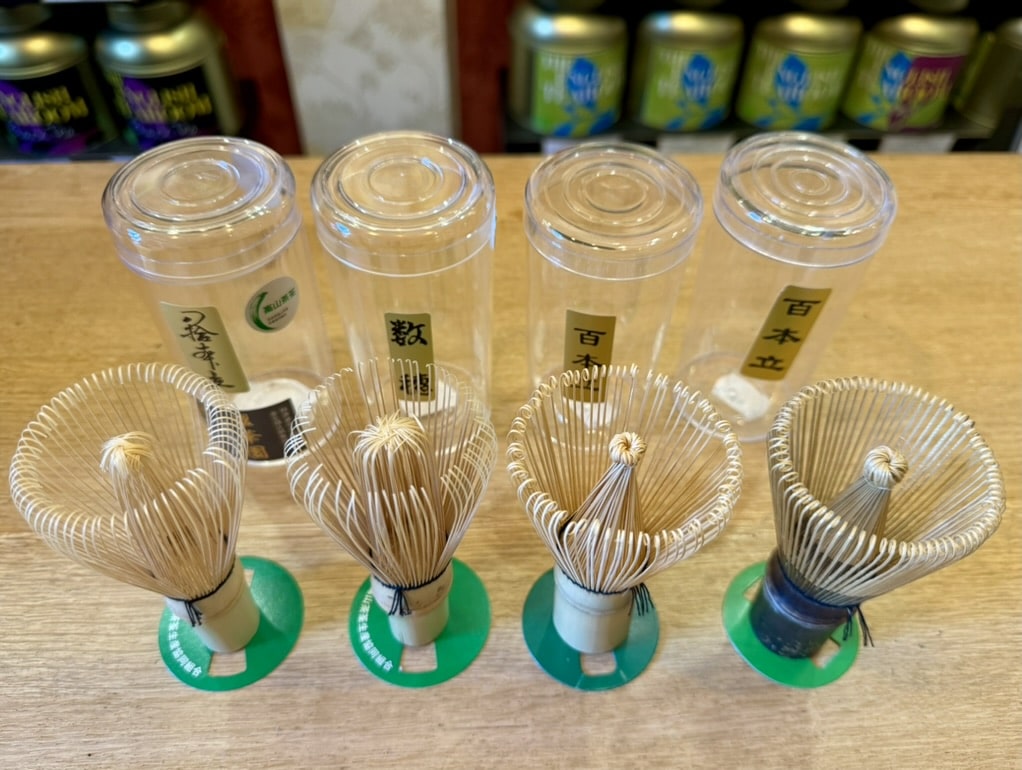
What makes chasen so special the traditional method in which they are made. Each whisk is carved from a single piece of young bamboo, using delicate tools and techniques that have been refined over centuries. A small blade is used to cut and trim the bamboo, transforming it into a beautifully shaped whisk. One of the most difficult and intricate parts of the process is known as Aji-kezuri—the narrowing of the tines. This step requires great precision, as it not only determines the whisk’s appearance but is also believed to affect the taste of the matcha. The attention to detail in crafting the tines allows for a perfect froth, enhancing both the flavour and texture of the tea.
While modern mass production has seen an increase in machine-made whisks, especially from China, the handcrafted Takayama chasen remains a coveted item for matcha purists. The finesse of these whisks is unmatched, creating a smooth, velvety tea that embodies the essence of the Japanese tea ceremony.
One of the unique aspects of the chasen is the diversity of shapes, sizes, and materials available. Different schools of the Japanese tea ceremony, such as Urasenke, Omotesenke, and Mushanokōji Senke, each have their own preferred designs. Some chasen are crafted from light bamboo, others from dark bamboo, and one of the rarest types is soot bamboo, which is reserved mainly for students of the Omotesenke school.
For those unfamiliar with the intricate details of the tea ceremony, selecting the right tools can feel overwhelming. To simplify the process, there are three main types of chasen to consider: the standard 80-prong whisk, a versatile choice for everyday use; the handcrafted 100-prong chasen, designed to create an exceptionally smooth and frothy matcha; and the handcrafted 80-prong chasen, which features a shape ideal for preparing thicker matcha (koicha).
Using a chasen to whisk matcha is more than just a practical step; it’s a mindful ritual. The act of whisking brings a sense of calm and focus, aligning with the principles of chanoyu (the Japanese tea ceremony) which emphasizes simplicity, presence, and respect.
A well-crafted chasen allows for the matcha to be whisked perfectly, creating a frothy layer with small bubbles on top and ensuring that the tea’s natural sweetness is enhanced. This froth is a key component of the experience, offering a visual and textural delight to match the flavour of the tea.
If you’re a matcha purist, choosing the right chasen is important. While Chinese-made whisks can be easier to find, they vary in quality. Handmade chasen from Japan, particularly from the Takayama region, offer a superior experience but are becoming increasingly rare outside of Japan.
For those who want the true Japanese tea experience and are interested in the authenticity and tradition of the tea ceremony, a Japanese whisk made by a master craftsman is well worth the investment. However, if you’re just starting out, a well-crafted, hand-made whisk from one of his apprentices can still provide a wonderful matcha experience.
As the demand for matcha continues to grow worldwide, the artistry of the hand-made chasen deserves to be honoured and preserved. Despite – or perhaps because of – the rise in popularity of cheap matcha and mass-produced products, the handmade chasen remains as popular as ever, a symbol of dedication, patience and beauty, and a reflection of the values of the tea ceremony itself.
Whether you’re preparing a quiet bowl of matcha for yourself or sharing the experience with others, the tea ceremony and the use of the right tools connects us to centuries of tradition, craftsmanship and the meditative essence of tea.
| Cookie | Duration | Description |
|---|---|---|
| __stripe_mid | 1 year | This cookie is used by our payment provider Stripe to process payments. |
| __stripe_sid | 30 minutes | This cookie is used by our payment provider Stripe to process payments. |
| cookielawinfo-checkbox-analytics | 1 year | The cookies is used to store the user consent for the cookies in the category “Analytics”. |
| cookielawinfo-checkbox-necessary | 1 year | The cookies is used to store the user consent for the cookies in the category “Necessary“. |
| CookieLawInfoConsent | 1 year | This cookie is used to record the default button state of the corresponding category. |
| viewed_cookie_policy | 1 year | The cookie is used to store whether or not user has consented to the use of cookies. |
| woocommerce_cart_hash | session | This cookies is used to determine when cart contents/data changes. |
| woocommerce_items_in_cart | session | This cookie is used to determine when cart contents/data changes. |
| wp_woocommerce_session_* | 2 days | This cookie is used to find the cart data in the database for each customer. |
| Cookie | Duration | Description |
|---|---|---|
| _ga | 2 years | This cookie is used by Google Analytics to calculate visitor, session and campaign data for the sites analytics reports. |
| _ga_* | 2 years | This cookie is used by Google Analytics to calculate visitor, session and campaign data for the sites analytics reports. |

Call us during opening hours on + 49 (0) 711 518 74 006 or email us using the form below. We will get back to you as soon as we can.